
Have you ever worried that a simple trip at home could lead to something more serious? For older adults, a fall doesn’t just mean a bruise-it can lead to loss of confidence, mobility, and independence. In this article, we’ll explore how “fall prevention” can become a daily habit, especially for seniors living at home. You’ll learn practical, evidence-based tips that help older adults stay safe, steady, and confident.
Why Fall Prevention Matters?
Falls are not just “an accident that happens with age.” According to the Centers for Disease Control and Prevention (CDC), most falls are preventable even in older adults.
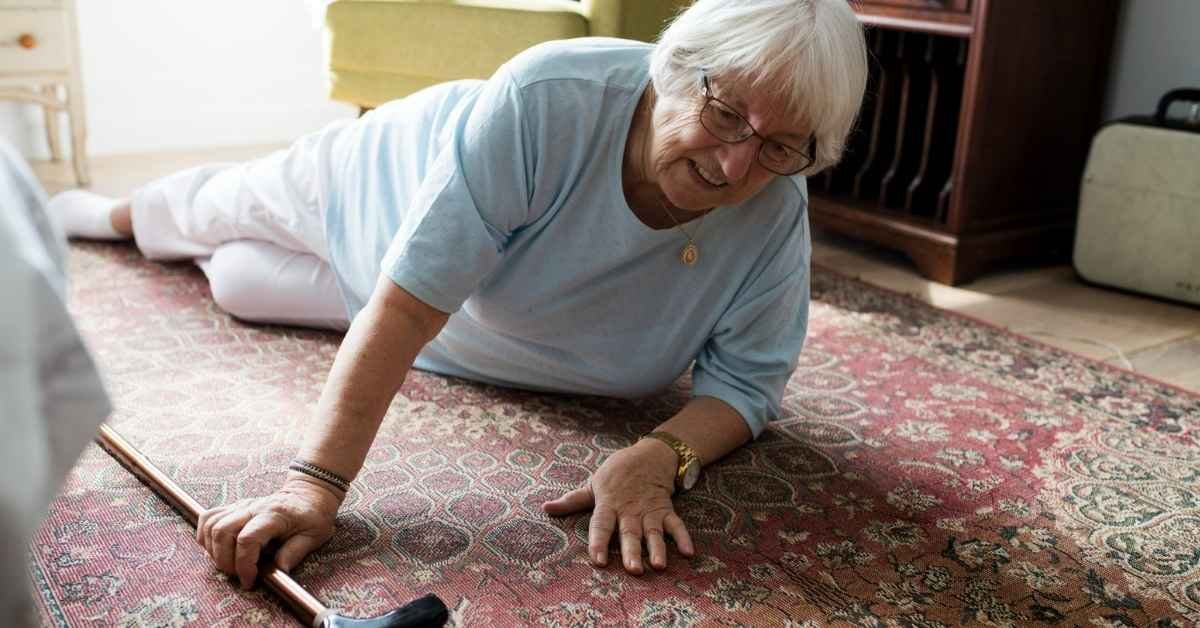
When seniors fall, the consequences can be serious: fractures, hospitalizations, fear of moving around, and ultimately less independence.
With growing numbers of older adults choosing to age in place at home, it’s more important than ever to adopt fall-prevention strategies that support both safety and independence.
Fall Prevention at Home: What You Can Do
Check and Improve Home Safety
One of the most effective strategies for fall prevention is making the home environment safer. Here are simple changes that make a big difference:
- Remove loose rugs, electrical cords, or clutter from high-traffic areas.
- Secure rugs with non-slip backing or remove them entirely.
- Ensure walkways and stairs are well lit. Add night-lights in corridors and bathrooms.
- Install handrails on both sides of stairs; grab bars in the bathroom by the toilet, tub/shower.
- Put frequently used items within easy reach – avoid having to climb or stretch.
These changes are simple, but when done consistently they reduce the risk of slips, trips, and falls by creating a more stable and predictable setting.
Strength, Balance & Mobility Work
Physical condition plays a big role in how well an older adult can navigate the home and recover from a stumble.
- Incorporate balance and strength exercises – for example: standing up from a chair, gentle walking, tai chi-like movements.
- Stay active: even light daily movement helps maintain muscle strength, coordination and flexibility.
- Before beginning any new exercise, check with your healthcare provider-especially if you have balance issues, dizziness or other health concerns.
By improving core strength, leg strength and balance, older adults give themselves a better chance of avoiding a fall or preventing a minor slip from turning into a major injury.
Review Medications and Health Conditions
Medical factors often raise fall risk. It’s important to monitor and manage them proactively.
- Some medications (especially sedatives, antihistamines, antidepressants) may cause dizziness or lowered alertness-have them reviewed by a doctor.
- Vision and hearing issues- these may affect balance and spatial awareness. Regular checks are important.
- Conditions like diabetes, arthritis, or orthostatic hypotension (blood pressure drops when standing) can increase fall risk.
When health conditions and medications are managed as part of an overall fall-prevention plan, older adults can stay safer and more in control.
Choose Sensible Footwear & Move Safely
What you wear on your feet and how you move around matters a lot for fall risk.
- Wear proper shoes: flat, well-fitting, non-slip soles. Avoid slippers without backs, smooth soles, or walking in socks.
- Be mindful on stairs and walkways: take your time, use the handrail, keep path clear.
- Use assistive devices when needed: canes, walkers, shower chairs, raised toilet seats. Using the right device correctly improves safety, but an improper device may increase risk.
Simple changes to footwear and walking habits can make everyday movement safer and steadier.
Build a Supportive Routine & Awareness
Preventing falls is not a one-time fix-it means building habits and awareness around movement and home safety.
- Encourage older adults (or their caregivers) to talk openly about fears of falling – acknowledging it helps address the risk.
- Use checklists or home assessments to identify hazards – many organizations offer free check-up tools.
- Consider scheduling regular reviews of the home environment and health status (vision, hearing, medicines, mobility).
- Keep physically active: set realistic goals, find enjoyable movement (walking, balance class, tai chi). Consistency matters.
By making fall-prevention a routine, older adults reinforce their independence and make safer living a daily practice-not just a one-off event.
Fall prevention is more than avoiding a trip-it’s about creating a home and a lifestyle where older adults feel confident, supported and mobile. By focusing on home safety, physical strength, health checks, and mindful movement, seniors can reduce their fall risk and maintain their independence. Remember: fall prevention is a journey, not just a checklist. Commit to it today and step into tomorrow with greater safety and peace of mind.
If you or a loved one lives in Michigan and is seeking professional home-care support, our team at MI Care for You is ready to help you build a safe, comfortable and supportive environment.