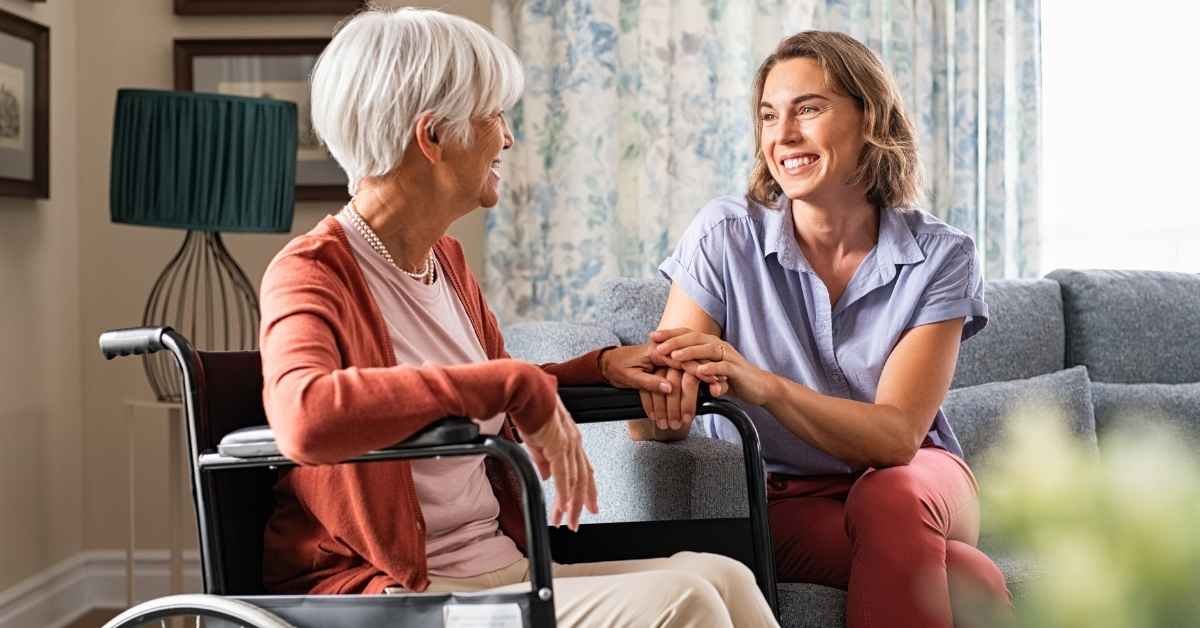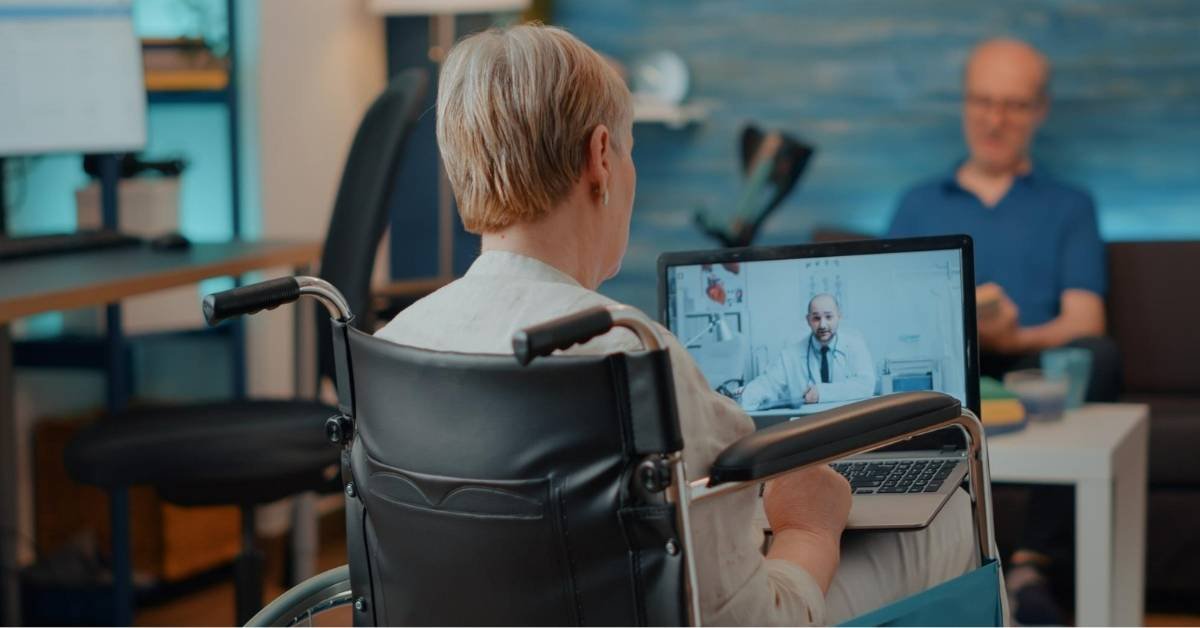
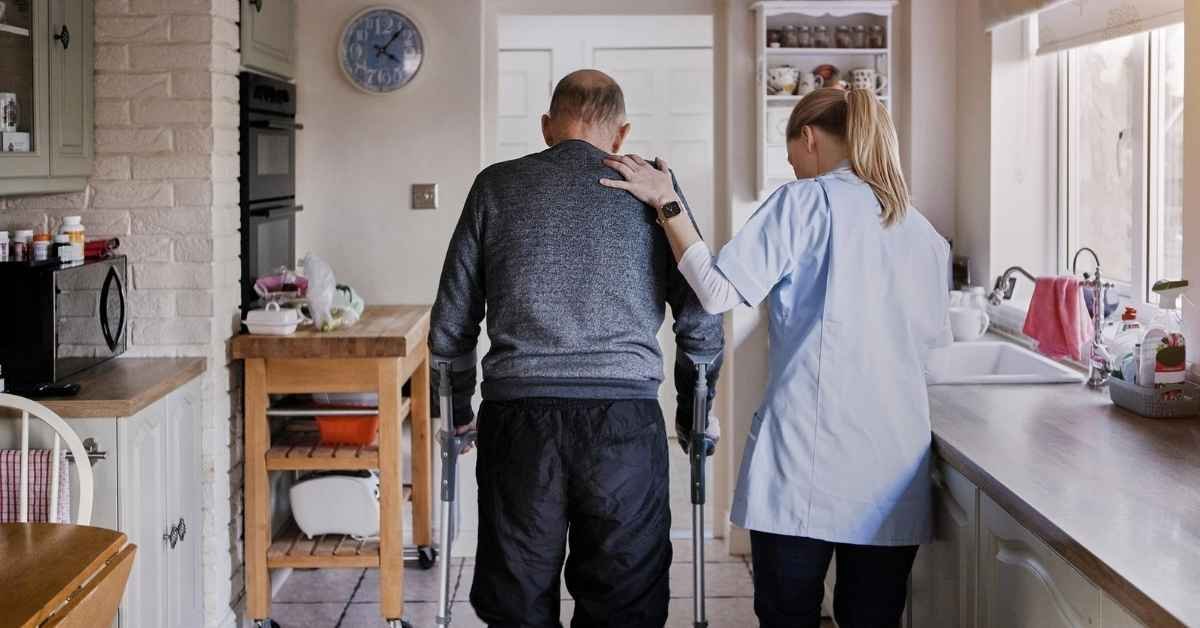

Aging at home is a priority for many seniors but without the right environment, daily life can become risky. Home Modifications for Seniors are not cosmetic upgrades; they are practical, safety-driven changes that reduce falls, prevent injuries, and support independence. This guide explains what to modify, why it matters, and how families can take action in real life.
Why are Home Modifications for Seniors Essential for Aging in Place?
As mobility, balance, vision, and strength change with age, a standard home can quietly become hazardous. Stairs without rails, slippery bathrooms, poor lighting, and narrow doorways are common causes of falls and emergency room visits.
Home modifications are essential because they:
Reduce fall and injury risks
Support recovery after illness or surgery
Help seniors remain independent longer
Lower the likelihood of hospital readmissions or nursing home placement
What are the Most Important Home Modifications for Seniors?
Not every home needs a full renovation. The most effective changes are targeted and practical. Bathrooms often need grab bars near toilets and showers, non-slip flooring, walk-in tubs or showers, raised toilet seats, and handheld showerheads. These reduce fall risk in the most dangerous room of the house.
Living areas benefit from improved lighting, clutter removal, secured rugs, and furniture arranged for clear walking paths. Simple layout changes prevent trips and support mobility aids.
Entrances and stairways become safer with sturdy handrails, ramps, widened doorways, and threshold adjustments especially important during Michigan’s snowy months.
How can Bathroom Modifications Prevent Falls and Injuries?
Installing grab bars provides stable support when sitting, standing, or showering. Non-slip flooring or adhesive strips prevent sliding. Walk-in showers eliminate the need to step over high tub walls. Proper modifications turn daily hygiene from a hazard into a safe routine.
These changes are among the most cost-effective home modifications for seniors with the highest impact on safety.
How are Mobility-Friendly Changes Supporting Daily Independence?
Widened doorways allow walkers and wheelchairs to pass easily. Lever-style door handles and faucets reduce strain on arthritic hands. Lowered countertops and reachable storage prevent overreaching and falls.
These modifications help seniors move freely, perform daily tasks confidently, and rely less on constant assistance.
How can Lighting and Flooring Modifications Reduce Accidents?
Brighter, evenly distributed lighting helps seniors with vision changes see obstacles clearly. Motion-sensor night lights guide safe movement after dark. Replacing slick flooring with non-slip materials or securing loose rugs adds stability underfoot.
Together, these updates dramatically reduce accidents without disrupting the home’s comfort.
How are Smart Home Modifications Enhancing Senior Safety?
Voice-controlled lights, smart thermostats, video doorbells, and emergency alert systems support safety and convenience. Automated features reduce physical strain and provide peace of mind for both seniors and families especially for those living alone.
These smart adaptations complement physical home modifications for seniors by adding an extra layer of protection.
Can Home Care Professionals Help Identify Needed Modifications?
Home care professionals are trained to assess fall risks, mobility challenges, and daily routines. They recommend practical modifications based on how a senior actually lives not generic checklists.
For families, combining professional caregiving with adaptive home modifications creates a safer, more sustainable aging-at-home plan.
Why are Home Modifications a Long-Term Investment in Senior Well-Being?
Adaptive changes are not just about today they protect tomorrow.
Proper home modifications for seniors:
Reduce emergency incidents
Support faster recovery after illness
Lower caregiving stress
Delay or prevent institutional care
Home modifications are one of the most powerful tools for helping seniors age safely at home. With thoughtful, practical changes and the right home care support seniors can live confidently, comfortably, and securely at home.