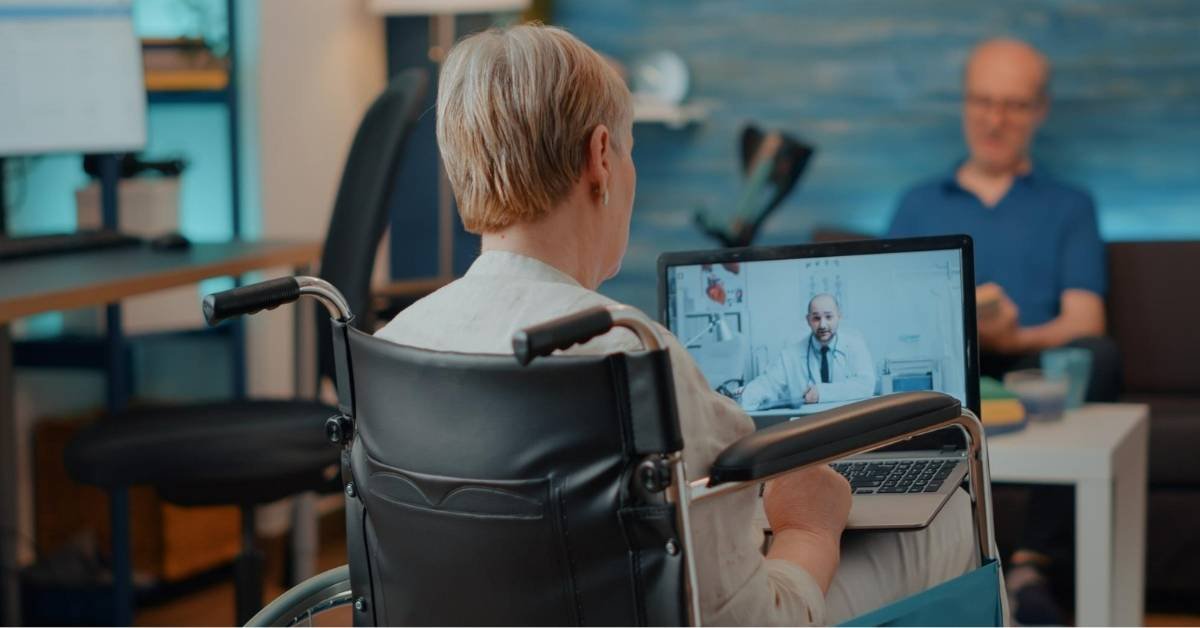

Telehealth & remote monitoring can help families in Michigan stay connected with care teams without constant travel. Telehealth usually means a video or phone visit. Remote monitoring means health data is collected at home by a connected device and sent to a clinician to help manage care.
What is Telehealth & Remote Monitoring in Home Care?
Telehealth is a way to deliver care using secure communication tools when the patient and provider are not in the same place. Michigan Medicaid describes telemedicine as real-time interactive communication and stresses privacy and security when information is shared.
Remote monitoring lets a person take readings at home, like blood pressure, and a connected device sends that information to the provider for review and care decisions. CMS explains that the provider uses this data to treat or manage the condition.
Why Can Integration Matter for Michigan Families Using Home Care?
Integration matters because home care often happens between short doctor visits. Remote monitoring can catch small changes early, like rising blood pressure or sudden weight gain, so the care plan can be adjusted sooner. CMS also notes that monitoring should be medically reasonable and necessary, which is a helpful standard for families to remember.
For rural Michigan families, telehealth can reduce travel stress and missed appointments. For urban families, it can reduce wait times and help caregivers coordinate faster.
How Can Telehealth Fit Into Non-Medical Home Care?
Even when a home care aide is not providing clinical care, telehealth can still support the overall plan. A caregiver can join a virtual visit to share real day-to-day observations, like appetite changes or sleep issues, so the clinician gets a clearer picture. Telehealth works best when it is used to support, not replace, in-person care when hands-on assessment is needed.
What Devices are Commonly Used for Remote Monitoring at Home?
The most common devices track basics that often signal trouble early. CMS gives examples of physiological metrics like oxygen saturation, blood pressure, blood sugar, and weight change. These readings can support care for heart conditions, diabetes, COPD, and recovery after illness.
How Should a Home Care Team Set Up Telehealth & Remote Monitoring the Right Way?
A good setup starts with a clear goal, like preventing falls, improving diabetes control, or reducing avoidable ER visits. CMS describes remote monitoring as a process that includes patient education and device setup, then ongoing data collection, then treatment management based on what the data shows.
The best programs also decide who checks the data, how fast someone responds to alerts, and what counts as “urgent.” That prevents false alarms and keeps families from feeling overwhelmed.
What Should Families Ask Before Starting Telehealth & Remote Monitoring?
Families should ask who is reviewing the readings and how often, because data without follow-up does not help. They should also ask what happens if the internet fails, and whether the care plan has a simple backup like phone visits when video is not possible. Michigan Medicaid notes that coverage details depend on policy and the provider manual, so it is smart to confirm what applies to your situation.
How Can Privacy and Safety Be Protected During Telehealth Visits?
Telehealth uses apps and portals that can create privacy risks if devices or connections are not secure. HHS recommends basic steps like using a private location, protecting your device with passwords, and being careful with shared Wi-Fi when discussing health information.
A reliable provider will also explain how your information is protected and what you can do on your side to reduce risk.
When Can It Be a Strong Fit?
This approach is often a strong fit when a person has a chronic condition, takes multiple medications, has recent hospital discharge risk, or has symptoms that change quickly. It can also help when family members live far away but want to stay involved in care decisions. Medicare guidance describes remote monitoring as connected device data sent to the provider, which is especially useful when trends over time matter more than one-time readings.
What Can Be the Bottom Line for Michigan Home Care?
Telehealth & remote monitoring can make home care more connected, more responsive, and easier to coordinate when the program has clear goals, clear follow-up, and strong privacy habits. If you treat it as part of a care plan instead of a gadget, it can help families feel more confident and help care teams act sooner when something changes.