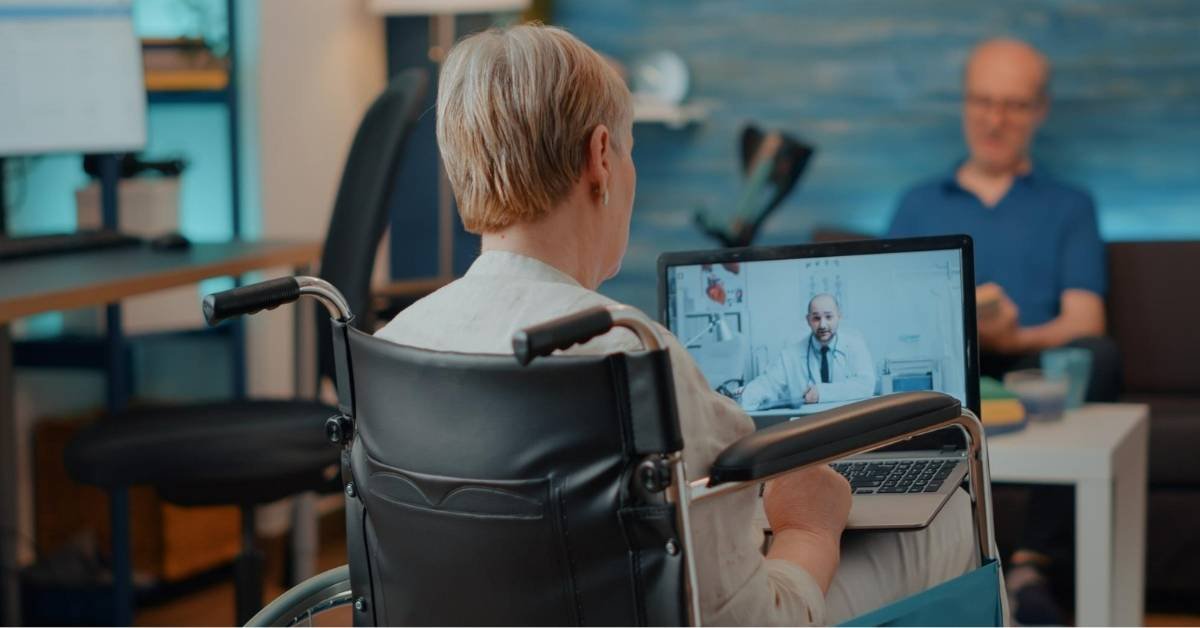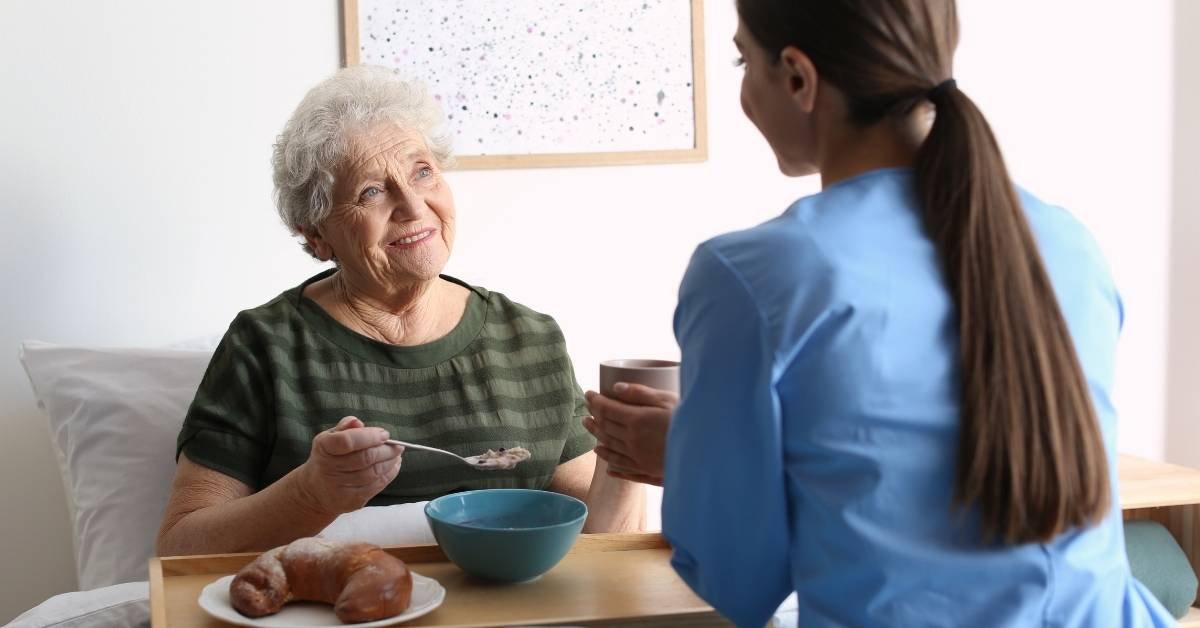


Pain can slowly reduce mobility, disturb sleep, and make even simple routines feel exhausting. Many people assume pain control only happens in hospitals or clinics. In reality, Pain Management Support at Home often plays a central role in helping individuals stay comfortable while protecting independence and dignity.
This kind of support is not about complex treatment. It is about daily consistency, safe habits, and attentive care that reduces discomfort without creating new risks.
What pain management support at home really means
Pain support at home focuses on reducing discomfort while helping a person continue daily life safely. It involves observing pain patterns, adjusting routines, supporting safe movement, and creating an environment that minimizes strain. The goal is not just pain relief but maintaining function, confidence, and emotional stability.
When pain is monitored closely at home, small changes can be addressed early before they become severe limitations.
Why daily observation can make pain easier to manage
Pain is rarely static. It changes based on activity, posture, sleep quality, stress, and hydration. When caregivers or family members observe these patterns, they can identify what makes pain worse and what helps reduce it.
For example, someone may feel more discomfort after long sitting, poor sleep, or skipping movement. Recognizing these triggers allows adjustments in routine that prevent escalation rather than reacting after pain intensifies.
Consistent observation also helps clinicians understand real-life pain patterns during follow-up visits.
How gentle movement can support comfort and mobility
Complete rest often sounds helpful but can increase stiffness and weakness. Light, guided movement usually supports circulation, joint flexibility, and muscle strength. Short walks, assisted repositioning, and clinician-approved stretching can reduce stiffness and improve comfort.
The key is pacing. Movement should be gradual, predictable, and aligned with the person’s tolerance. Overexertion can worsen pain, while structured activity often improves long-term comfort.
How positioning and posture can reduce physical strain
Body positioning plays a major role in pain levels. Poor chair height, unsupported backs, or awkward sleeping positions can increase joint and muscle strain.
Simple posture adjustments can make a measurable difference. Proper back support, aligned sleeping posture, and safe sitting angles reduce pressure on sensitive areas. Repositioning throughout the day also prevents stiffness from prolonged stillness.
Why heat and cold comfort methods can be helpful
Temperature-based comfort strategies are widely used in home pain support. Warm applications can relax tight muscles and ease stiffness. Cool applications can calm areas that feel inflamed or overworked after activity.
Used carefully and for limited durations, these approaches provide noninvasive comfort without disrupting daily routines. Skin protection and supervision remain important to avoid irritation.
How sleep quality can influence pain perception
Pain and sleep are deeply connected. Poor sleep increases pain sensitivity, while unmanaged pain disrupts rest. Establishing a consistent sleep routine can support recovery and nervous system balance.
A calm bedtime environment, reduced evening stimulation, and comfortable bedding all contribute to better rest. Even small improvements in sleep often reduce daytime discomfort.
How emotional well-being can shape physical pain
Pain is physical, but emotional stress can amplify how it is experienced. Anxiety, loneliness, and frustration often increase pain perception.
Companionship, conversation, and reassurance help regulate emotional strain. When individuals feel supported rather than isolated, they often cope better with discomfort. Emotional stability becomes a quiet but powerful part of pain support.
How home environments can be adjusted for safety and comfort
Environmental strain frequently worsens pain. Low seating, cluttered walkways, hard-to-reach items, and unsafe bathrooms can increase physical effort and risk.
Adjusting the home layout reduces unnecessary strain. Support rails, proper lighting, safe flooring, and accessible daily-use items allow individuals to move with less discomfort and more confidence.
Why routine and pacing can prevent pain flare-ups
Unstructured days often lead to overactivity followed by severe fatigue and discomfort. Structured pacing creates balance.
Alternating activity with rest, spacing physical tasks, and maintaining hydration and nutrition help regulate energy and strain levels. When routines are predictable, the body adapts more comfortably.
How caregivers can support pain management respectfully
Caregiver support should enhance independence, not replace it. Assistance may include helping with safe mobility, monitoring posture, encouraging movement, and observing discomfort signals.
Respectful support allows individuals to maintain control over their routines while receiving help where it matters most. This balance protects both dignity and safety.
When professional home care can strengthen pain support
Some pain conditions require structured assistance beyond family capacity. Professional home care can provide consistent monitoring, mobility support, comfort positioning, and coordination with clinical teams.
This added layer ensures that pain does not silently erode function or quality of life.
Pain Management Support at Home works best when it is simple, consistent, and centered on daily comfort. Through observation, movement, positioning, emotional support, and safe environments, home-based care can reduce discomfort while preserving independence and well-being.