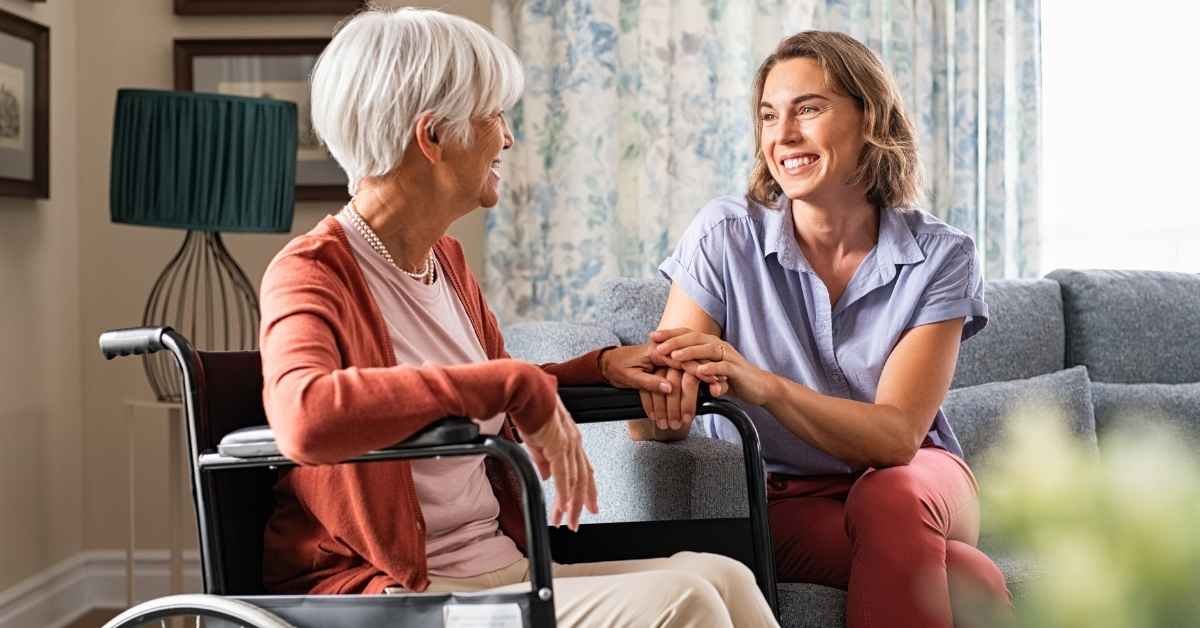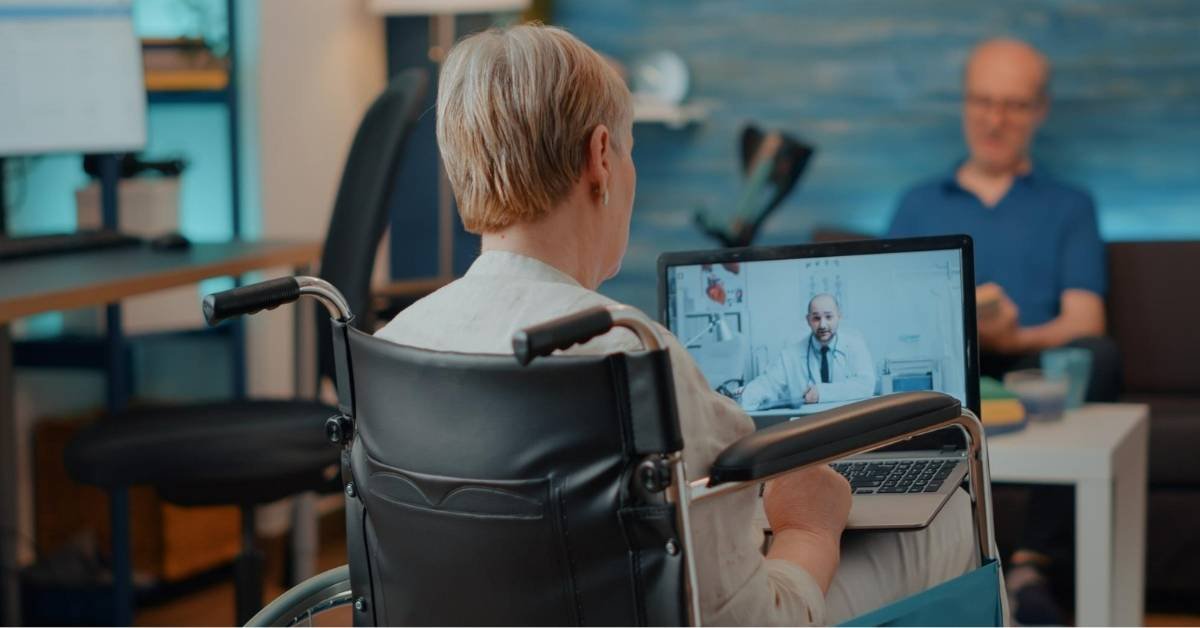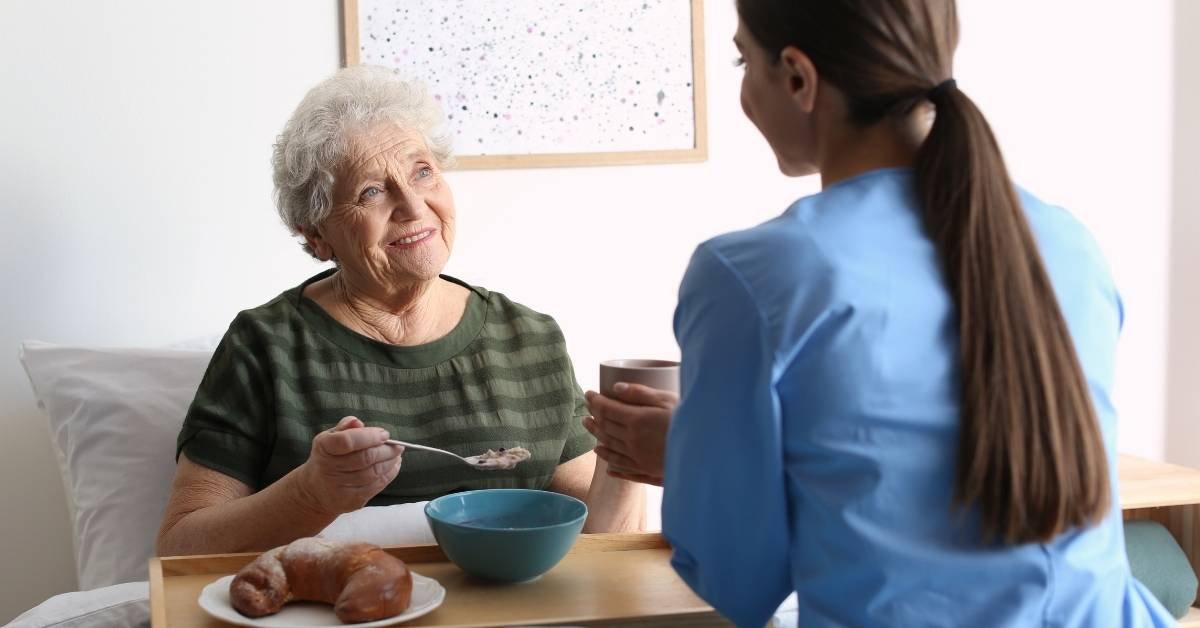


Home care staff training is how caregivers learn to help people safely at home. Good training protects the client, the family, and the caregiver. It also helps an agency give the same quality of care every day.
In Michigan, training matters even more because many clients get help through programs like MDHHS Home Help, which supports people who need hands-on help with daily activities (ADLs) and some household tasks (IADLs).
What Should Home Care Staff Training Include for Safe Care?
A strong training program covers the skills caregivers use most. It should be simple, hands-on, and checked by a supervisor.
What Should Caregivers Learn First Before They Work Alone?
A safe “first training” usually includes:
Basic safety and fall prevention (how to help someone stand, walk, and transfer safely)
Infection prevention (hand hygiene, gloves, cleaning, and safe handling of body fluids)
How to notice changes (new confusion, fever, shortness of breath, swelling, wounds)
How to communicate (respect, calm voice, and clear reporting to the office)
Client rights and privacy (what can be shared and what must stay private)
If an agency is also a Medicare-certified home health agency and uses home health aides, federal rules list many training topics (like safe transfers, skin changes, and nutrition) and require proof that training happened.
Which Certifications Can Michigan Caregivers Have?
Not every caregiver has the same job title. Some roles require more formal education than others.
Can a Caregiver Be a CNA in Michigan?
Yes. A CNA (Certified Nurse Aide) completes a state-approved training program and passes a competency exam. Michigan’s nurse aide curriculum includes at least a 75-hour minimum in the state’s competency-driven model.
Can a Caregiver Be a Home Health Aide Under Federal Standards?
Yes. For Medicare-certified home health agencies, federal rules for home health aides include training/competency requirements and require at least 12 hours of in-service training every 12 months.
Should Families Ask About CPR and First Aid?
They can, and many families do. CPR/First Aid can be helpful, especially for higher-risk clients. (Not every non-medical home care role requires it by law, but it can show an agency takes safety seriously.)
What Standards Should an Agency Follow?
“Standards” means the rules and best practices that guide care.
Do Federal Rules Set Standards for Some Home Care Providers?
Yes. Medicare-certified home health agencies must follow federal Conditions of Participation. These rules include staff supervision, training documentation, and ongoing competency checks for aides.
Does Michigan Have Programs That Set Expectations for Personal Care Services?
Yes. Michigan’s MDHHS Home Help program provides personal care services for eligible Medicaid beneficiaries and approves providers for participation.
Should Agencies Train Staff on Privacy and HIPAA?
If an organization is a HIPAA covered entity (or works closely with one), HIPAA requires workforce training on policies and procedures related to protected health information.
Should Agencies Train Staff on Bloodborne Pathogens?
If workers may have exposure to blood or certain body fluids, OSHA’s bloodborne pathogens standard requires training at initial assignment and at least annually.
What Red Flags Should You Watch For?
Is It a Red Flag If an Agency Cannot Explain Training Clearly?
Yes. If they are vague like “we train them well” but cannot explain how, that is a warning sign.
Is It a Red Flag If There is No Ongoing Training Plan?
Yes. Caregivers need refreshers. Rules and risks change. Strong agencies plan ongoing training and can show how they track it.
Strong home care staff training helps protect clients, families, and caregivers every day. When agencies follow clear training steps, proper certifications, and safety standards, care stays consistent and reliable. For Michigan families, asking the right questions about training and supervision can make a real difference in safety, comfort, and peace of mind at home.