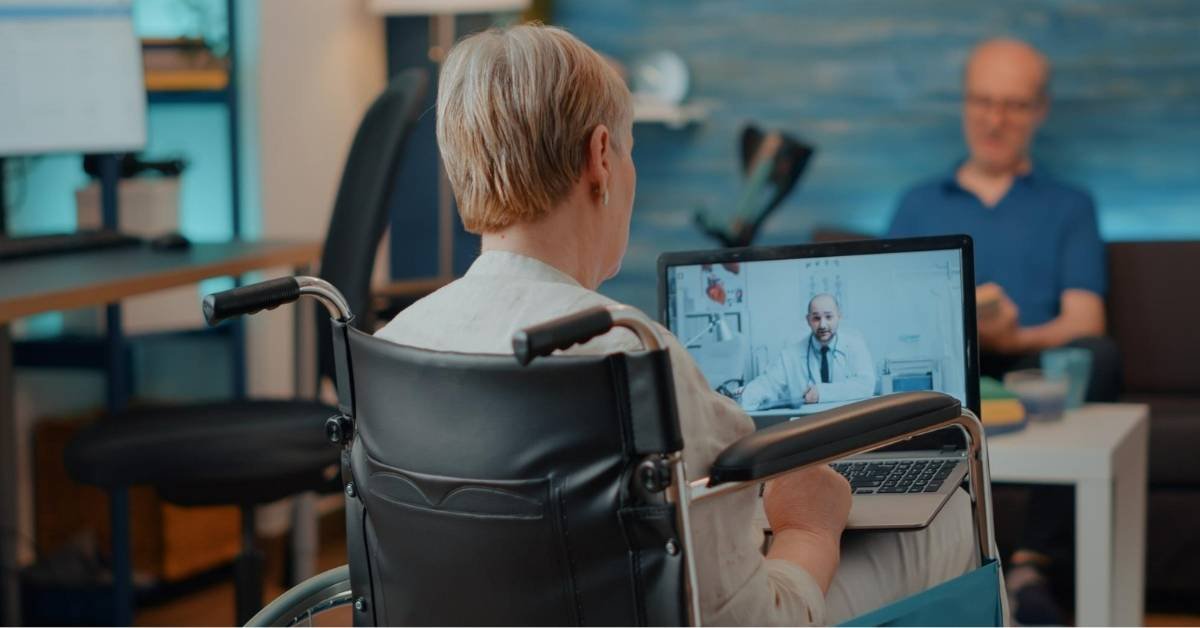


Managing a long-term health condition can feel overwhelming for both seniors and their families. For many Pennsylvania households, managing chronic illness at home is not just about medical care; it’s about daily routines, safety, emotional well-being, and consistency. With the right approach and support, individuals living with chronic conditions can maintain comfort, stability, and independence in their own homes.
What Does Managing Chronic Illness at Home Really Mean?
Managing chronic illness at home means providing ongoing support for conditions that do not go away but can be controlled. This includes monitoring symptoms, following care plans, maintaining healthy routines, and responding early to changes in health.
Home-based care focuses on prevention, stability, and quality of life rather than crisis-driven care. When done correctly, it reduces hospital visits and helps individuals feel more in control of their daily lives.
How Can Diabetes Care Be Handled Safely at Home?
Diabetes management requires daily attention and consistency. Blood sugar monitoring, proper nutrition, physical activity, and medication adherence are all essential.
At home, caregivers can assist with checking glucose levels, preparing balanced meals, and recognizing early signs of high or low blood sugar. Consistent routines help prevent complications and give individuals confidence in managing their condition day to day.
How Can COPD Symptoms Be Managed More Comfortably at Home?
Chronic Obstructive Pulmonary Disease (COPD) affects breathing and energy levels, making daily tasks more difficult. Managing COPD at home focuses on conserving energy, avoiding triggers, and ensuring proper medication use.
Caregivers can help with breathing exercises, oxygen support if prescribed, and maintaining a clean, well-ventilated living environment. Early attention to worsening symptoms can prevent emergency situations.
How Can Heart Failure Be Monitored Effectively at Home?
Heart failure requires careful observation and lifestyle adjustments. Weight changes, swelling, fatigue, and shortness of breath are important signs to monitor.
Home care support helps individuals follow dietary guidelines, manage activity levels, and track symptoms consistently. Early detection of changes allows families to address concerns before they escalate into serious complications.
Why is Medication Adherence Critical for Chronic Conditions?
Medication adherence is one of the biggest challenges in managing chronic illness at home. Missing doses, taking medications incorrectly, or mixing prescriptions can lead to worsening symptoms or hospitalization.
Home caregivers can provide reminders, organize medications, and ensure prescriptions are taken as directed. This level of consistency is especially important for individuals managing multiple chronic conditions.
How Does Daily Routine Improve Long-Term Health Outcomes?
A predictable daily routine supports both physical and emotional health. Regular meal times, activity schedules, medication timing, and rest periods help stabilize chronic conditions.
Home care reinforces these routines, reducing stress and helping individuals feel secure and supported. Small, consistent habits often make the biggest difference over time.
How Can Emotional Well-Being Be Supported Alongside Physical Care?
Living with a chronic illness can lead to frustration, anxiety, or isolation. Emotional health plays a significant role in overall wellness and recovery.
Home care includes companionship, encouragement, and reassurance. Having someone present who understands daily challenges can improve mood, motivation, and engagement in care routines.
When Should Families Consider Professional Home Care Support?
Professional home care becomes especially valuable when chronic conditions begin to interfere with daily living, safety, or family balance. It supports both the individual managing the illness and the family members providing care.
In Pennsylvania, early involvement of home care services often leads to better long-term outcomes and reduced caregiver burnout.
Successfully managing chronic illness at home requires consistency, awareness, and the right support system. Whether dealing with diabetes, COPD, heart failure, or complex medication schedules, home-based care allows individuals to live with dignity and comfort. With proper planning and professional guidance, families can create a safer, more manageable path for long-term health at home.